
Newaygo County Projected Release Dates
A projected date is an estimate or sentence-based milestone. It is not the same as the moment a jail or prison completes release. For a Michigan state prisoner, the public OTIS labels are Earliest Release Date and Maximum Discharge Date. The first marks when the Parole Board may gain jurisdiction, subject to the governing sentence and any eligible old-law credits. It is not a promise that parole will be granted.
Maximum Discharge Date is the outer sentence endpoint shown by MDOC. It describes when imprisonment on the controlling sentence cannot continue if parole never occurs, subject to lawful sentence changes and structure. A person may be paroled between those dates after a favorable Board decision, release processing, and an approved plan. The Date Paroled and current status then help confirm what actually happened.
A Newaygo County pretrial detainee has no sentence-derived release date. Bond, recognizance, dismissal, a court order, a new warrant, or a detainer can determine whether and when custody ends. Even a signed release order does not give the precise door time because the jail must clear other authority and complete processing.
Find a Newaygo County Release Date
Begin with the custody episode. OTIS is correct for a person who reached Michigan Department of Corrections jurisdiction. It does not cover a person held only in Newaygo County Jail, a routine unsentenced arrest, or a person whose MDOC discharge is outside the public display period. County-jail dates must be checked through the jail and sentencing court.
- Decide whether the person is pretrial, serving a county-jail sentence, committed to MDOC, on parole, or held for another agency.
- For MDOC custody, open OTIS. Search by the six-digit MDOC number when known or use name and identity filters.
- Open the correct profile. Read Current Status, Earliest Release Date, Maximum Discharge Date, Date Paroled, and any discharge date or reason shown.
- For a Newaygo jail sentence, obtain the judgment and sentence through MiCOURT or the Newaygo Circuit public-case route. Ask the jail for its calculation and posted credit rules.
- Check warrants, detainers, consecutive terms, transfers, or later court orders before treating any date as final.
- After the expected event, verify the actual status with OTIS, MI-VINE, the jail, and the retained release record as appropriate.
The Newaygo County released-inmate search explains how the Sheriff, court, MDOC, and federal sources fit together after a person leaves the jail roster.
The official OTIS name and MDOC-number search presents the fields used to locate the correct state record.
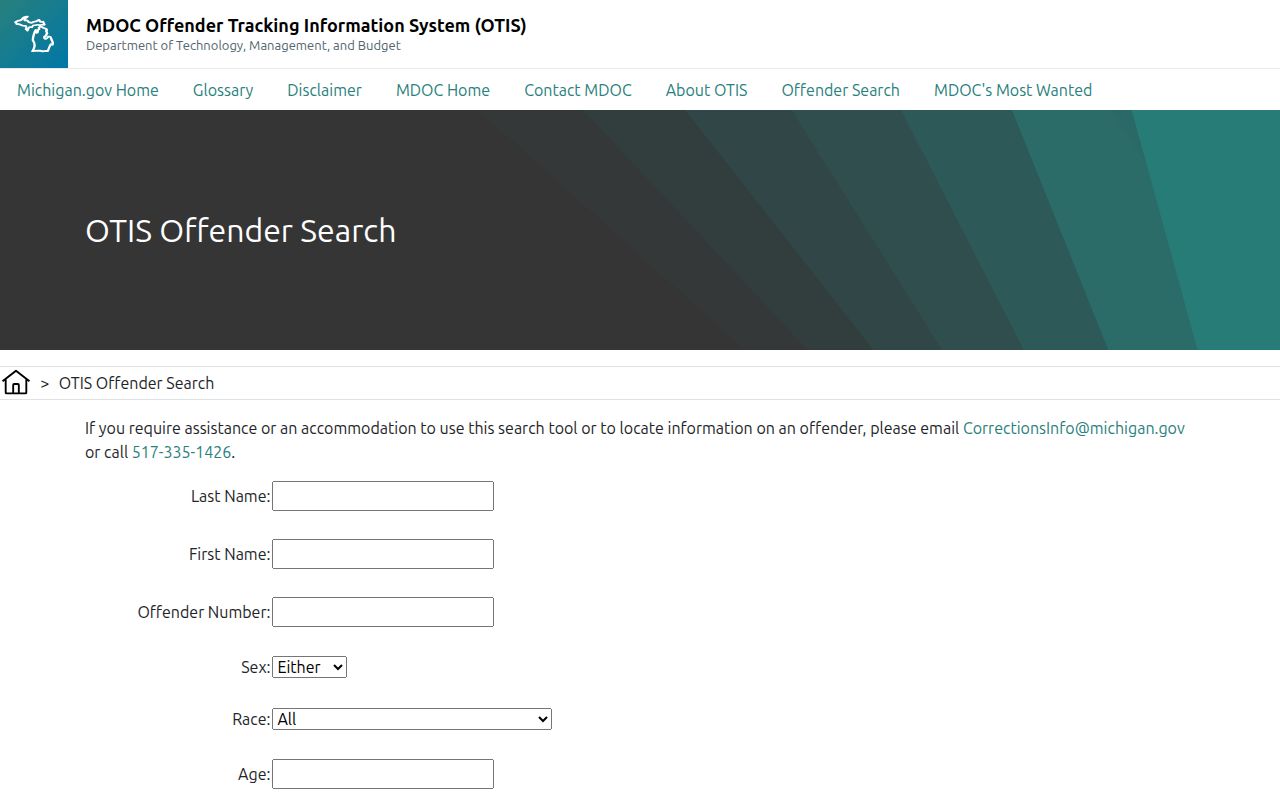
Use the MDOC number when possible, then verify the sentence and identity details on the resulting profile.
Newaygo County OTIS Date Fields
Michigan generally uses indeterminate prison sentences. The minimum term drives the point at which the Board can first consider parole. The maximum sets an outer limit for imprisonment on the sentence. OTIS turns those concepts into specific public labels, and each label has a narrower meaning than the phrase “projected release date.”
| OTIS field | How to read it |
|---|---|
| Current Status | Prisoner, Parolee, Probationer, Discharged, or another MDOC status at the time displayed |
| Earliest Release Date | The minimum-derived parole eligibility point, not a guaranteed release appointment |
| Maximum Discharge Date | The outer sentence endpoint, subject to sentence structure and lawful adjustment |
| Date Paroled | The date secure prison custody changed to community parole when that event occurred |
| Discharge Date and reason | The end of MDOC jurisdiction shown for a completed record or sentence entry |
| Location or supervision office | The prison or field office associated with the current status |
A Prisoner status with an Earliest Release Date still means secure custody. A Parolee status ordinarily means the person has left prison but remains under MDOC supervision. Discharged is closer to final completion of MDOC authority. Read the profile-level status with every sentence block because inactive sentences can carry different discharge reasons.
MDOC cautions that online date and location information can be incomplete or inaccurate. Note the access date. A judgment-based error should be raised with the sentencing court, while a supervision-location issue belongs with the listed field office.
Note: OTIS displays discharged people for three years after supervision discharge, so an older absence cannot establish that no sentence existed.
Michigan Truth in Sentencing
Michigan does not use a general federal-style rule that every prisoner serves 85 percent. The relevant state framework is truth in sentencing for covered offense dates. MDOC says a covered prisoner serves the entire judicial minimum in prison before parole eligibility, with no good-time or disciplinary-credit reduction against that minimum.
The MDOC truth-in-sentencing explanation states that the rule applies to listed assaultive crimes committed on or after December 15, 1998, and all other crimes committed on or after December 15, 2000. Misconduct may create disciplinary time considered by the Board. It is not described as ordinary credit that shortens the judicial minimum.
Older eligible cases can retain statutory credit rules. MDOC’s glossary describes disciplinary credits in eligible pre-truth-in-sentencing cases as generally five days per month, with up to two extra days for exceptionally good behavior and a maximum of 84 days yearly, subject to loss. MCL 800.33 governs good time and disciplinary credits, while MCL 800.34 addresses disciplinary-time applicability. The offense date, sentence, and legal eligibility control.
Newaygo County Jail Credit
County-jail credit is separate from Michigan prison truth in sentencing. Under MCL 51.282, a qualifying county jail prisoner with no rule violations is entitled to a one-day reduction for each six days of sentence. The statute also addresses sheriff authority concerning forfeiture and restoration under the act.
MCL 51.283 requires the rules and allowances to be posted. It places responsibility on the qualifying prisoner to bring the entitlement to the Sheriff’s attention. That does not authorize a public user to subtract one day from every six and declare a Newaygo County release date.
The actual jail calculation can depend on eligibility, pre-sentence credit, concurrent or consecutive terms, court orders, holds, rule violations, and the Sheriff’s application of the posted rules. Pre-sentence jail credit and a good-behavior allowance are different concepts. Ask the jail for the posted rules and retained calculation, and compare them with the signed judgment.
- Pre-sentence credit
- Credit addressed by the judgment for qualifying time already spent in custody.
- Good-behavior allowance
- A county-jail sentence reduction under the applicable posted rules and statute.
- Consecutive sentence
- A term that runs after another term rather than at the same time.
- Detainer
- A hold or request from another lawful authority that can prevent community release.
Why Newaygo Release Dates Change
A date can move because the underlying legal or administrative facts change. Some changes affect the calculation itself. Others leave the sentence date intact but delay physical release. The source and field should be identified before explaining any change.
| Factor | Possible effect | Source to check |
|---|---|---|
| Corrected judgment or sentence credit | Changes the controlling calculation | Sentencing court and updated corrections record |
| Concurrent or consecutive structure | Changes when the controlling term can end | Signed judgment and sentence blocks |
| Eligible old-law credit loss or restoration | Moves a credit-adjusted eligibility point | MDOC record and governing credit law |
| Appeal or new court order | Can alter the sentence or release authority | Court register and signed order |
| Parole grant, denial, or suspension | Changes the expected transition from prison | Parole process record and later OTIS status |
| New sentence, warrant, or detainer | May block community release or cause transfer | Court, jail, and receiving agency |
| Placement or treatment plan | Can defer physical parole release after a favorable decision | Parole Release Unit or public Board information |
MDOC reports a minimum 28-day period between a favorable parole decision and physical release. During that time, the Parole Release Unit documents the parole date, term, conditions, and transition. A grant may also be suspended before release because of misconduct or adverse information. This is why an eligibility date, decision date, and actual Date Paroled should never be collapsed into one event.
Note: A website date is a snapshot, so record the exact system, field label, and access date whenever a change matters.
Confirm Newaygo County Release
For state prison, recheck OTIS after the expected date. A change from Prisoner to Parolee with a Date Paroled supports release from secure prison into supervision. A Discharged status indicates a later end of MDOC authority. Contact the listed supervision office if the public status conflicts with the known event.
For Newaygo County Jail, call the jail and request the retained booking and release record when a durable answer is needed. The District Court or Circuit judgment explains the authority. The Sheriff record supplies the physical timestamp and disposition. If another agency took custody, check that receiving system instead of calling the event unrestricted release.
A pretrial detainee should be handled differently from a sentenced person. The court docket may show a bond order, dismissal, warrant, or other authority, but it may not record the minute jail processing finished. A county sentence also requires the jail’s credit calculation and posted rules. For either path, compare the signed court record with the Sheriff timestamp and destination field. This avoids turning a legal authorization into an unsupported claim about when the person walked out or whether another hold continued.
MI-VINE can provide a pending custody-change alert. Registration steps and the limits of a reported release appear on the Newaygo County VINELink inmate search. An alert should lead to a second-source check, especially when MDOC commitment, U.S. Marshals transport, or an immigration detainer may apply.
The MDOC release-date explanations are the source for interpreting the state fields shown in a public profile.
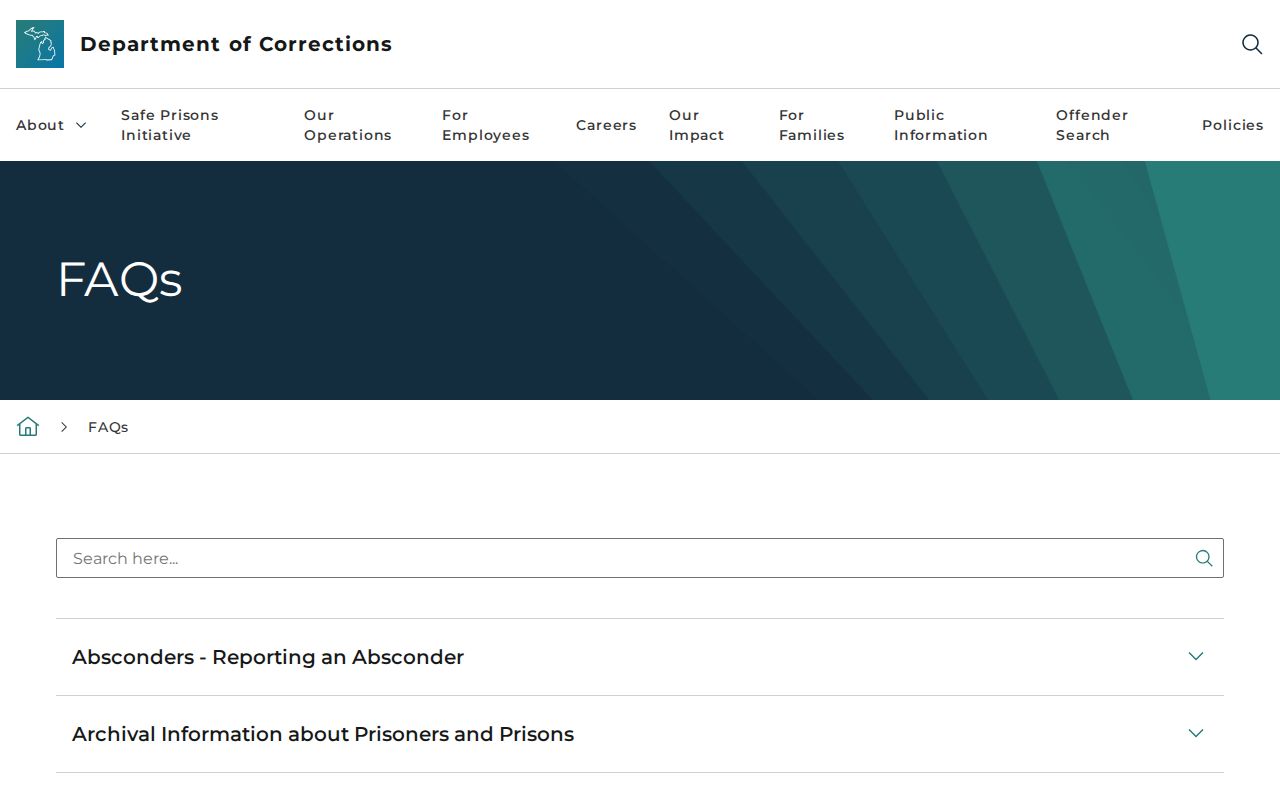
Use the official field meaning before describing an eligibility date as an expected physical release.